
The Growing Global Demand For High Curcumin Turmeric
 17 March 2026
Why Turmeric Is Becoming Popular Worldwide
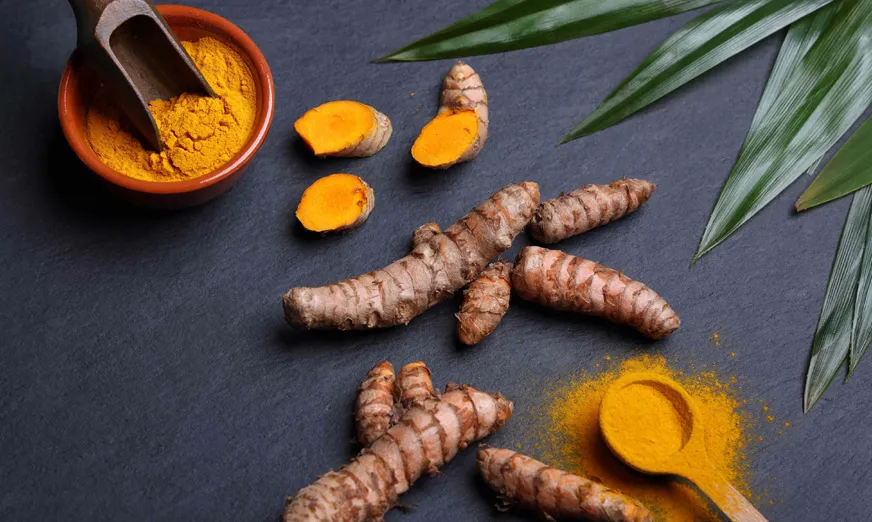
Turmeric has become one of the most demanded spices in international markets because of its natural color, medicinal value, and wide usage across food industries. Known for its rich curcumin content, turmeric is used in cooking, health products, cosmetics, and wellness applications worldwide. The increasing awareness of natural ingredients and healthy lifestyles has significantly boosted the demand for premium Indian turmeric.
India is one of the leading producers and exporters of turmeric, supplying high-quality varieties to buyers across global markets. Indian turmeric is recognized for its vibrant yellow color, strong aroma, and superior curcumin levels. Importers and food manufacturers prefer Indian turmeric because of its consistency and export-grade quality standards.
Importance Of Curcumin In Turmeric Quality
Curcumin is the most important component that determines the quality and value of turmeric. It is responsible for turmeric’s bright color and many of its beneficial properties. Higher curcumin content usually indicates premium quality turmeric, making it more valuable in international markets.
Different turmeric varieties contain different levels of curcumin depending on cultivation conditions and processing methods. Alleppy turmeric is especially known for its high curcumin percentage and deep orange-yellow color. Salem and Erode varieties are also widely preferred because of their consistent quality and balanced curcumin content.
Global buyers often look for turmeric with reliable curcumin levels because it is used in food processing, herbal products, supplements, and wellness industries. Exporters carefully test and process turmeric to maintain quality standards and meet buyer expectations.
Indian Turmeric Varieties In Export Markets
India produces multiple turmeric varieties suitable for different international market requirements. Salem turmeric is known for its bright yellow appearance and premium export quality. Erode turmeric is widely demanded for its balanced curcumin content and strong aroma. Nizamabad turmeric is preferred for commercial spice applications due to its consistent supply and reliable quality.
Alleppy turmeric remains one of the most premium export varieties because of its high curcumin percentage and deep color value. Sangli turmeric is also popular among bulk buyers because of its availability and processing flexibility. Each variety serves different industries depending on color, aroma, and curcumin requirements.
These turmeric varieties are processed under hygienic conditions to maintain freshness and export standards. Proper cleaning, polishing, and packaging ensure long shelf life and safe transportation across international markets.
Role Of Processing And Packaging In Turmeric Export
Processing and packaging play a major role in maintaining turmeric quality during export. After harvesting, turmeric undergoes cleaning, boiling, drying, polishing, and grading before reaching international buyers. Every stage of processing is carefully managed to preserve natural color, aroma, and curcumin content.
Hygienic packaging protects turmeric from moisture, contamination, and quality loss during transportation. Exporters commonly use durable packaging materials such as PP bags and jute bags with inner liners for added protection. Proper sealing and storage conditions also help maintain freshness for a longer period.
International buyers prefer suppliers who follow strict quality standards and provide consistent product specifications. Reliable packaging and processing practices help exporters build trust in competitive global markets.
Future Growth Of Turmeric In International Markets
The future demand for turmeric continues to grow rapidly due to increasing interest in natural and plant-based products. Food manufacturers, health supplement companies, and wellness industries are continuously expanding their use of turmeric in different applications. This trend has created strong opportunities for Indian turmeric exporters worldwide.
Countries across Asia, Europe, and other international regions are importing premium turmeric varieties for food processing and commercial usage. Buyers are focusing more on quality, hygiene, and curcumin standards while selecting suppliers. Exporters who maintain consistency and reliable delivery systems are expected to gain long-term business growth.
As global demand increases, Indian turmeric exporters continue improving quality control, packaging, and sourcing methods to meet international expectations and strengthen their presence in worldwide spice markets.